felixxnuv480.brightsora.com

Urinary System Incontinence In Adults Urology

Urinary Incontinence All https://ameblo.jp/cruztnqv599/entry-12977587569.html grownups should for that reason be screened with a concern such as "Do you ever leakage urine? Overactive bladder is a term sometimes made use of to define urinary seriousness (with or without urinary incontinence) that is often accompanied by urinary system regularity and nocturia. In males, prostate size increases, partially blocking the urethra and resulting in incomplete bladder emptying and strain on the detrusor muscular tissue. These modifications take place in lots of continent older adults yet might assist in incontinence because of one more cause. Short-lived incontinence can be triggered by an urinary tract infection, maternity, constipation, and specific drugs and beverages.

Freshly Approved Bladder Cancer Cells Therapy

How do you know if you have stress and anxiety or prompt incontinence?

anxiety urinary incontinence & #x 2013; when pee leaks out sometimes when your bladder is under stress; as an example, when you cough or laugh. urge (seriousness) incontinence & #x 2013; when pee leakages as you really feel a sudden, intense impulse to pee, or soon after that.

In the various other treatment, a thin needle is placed near a nerve in the ankle. Mild electric signals are sent through the cable or needle to the nerves that impact your bladder. Stress Urinary System Incontinence (SUI) takes place when pee leakages during exercise, coughing, sneezing, laughing or any kind of movement that puts stress (stress and anxiety) on the bladder. Franklin Area Medical Facility (FCMC) is your regional center for country and essential health care accessibility for Southeastern Idaho, given that 1929. For this therapy, you have an appointment with a therapist that gently places sensors on either side of your butt opening and on your stomach. As you do pelvic flooring workouts, a computer system program shows which muscle mass you are making use of. Problems such as numerous sclerosis, Parkinson's illness, diabetes mellitus, and stroke can impact nerves, bring about prompt urinary incontinence. Bladder troubles, such as infections and bladder rocks, and certain drugs can additionally trigger it.

Stress And Anxiety Urinary Incontinence In Ladies

  • This suggests that they leak urine when they cough, sneeze, or apply pressure on their abdominal muscles; but they additionally feel the urgent requirement to go to the bathroom and might deficient in time.
  • Certain inquiries for urinary signs of urge and stress and anxiety incontinence ought to be included in the evaluation of systems, as numerous clients are uneasy discussing this with the medical professional.
  • When you intend to urinate, your brain sends a signal to your bladder, triggering the muscles to contract and the sphincter to open up, compeling the pee out of your body.
  • It is commonly caused by an overactive bladder muscular tissue or nerve damages that affects bladder control.

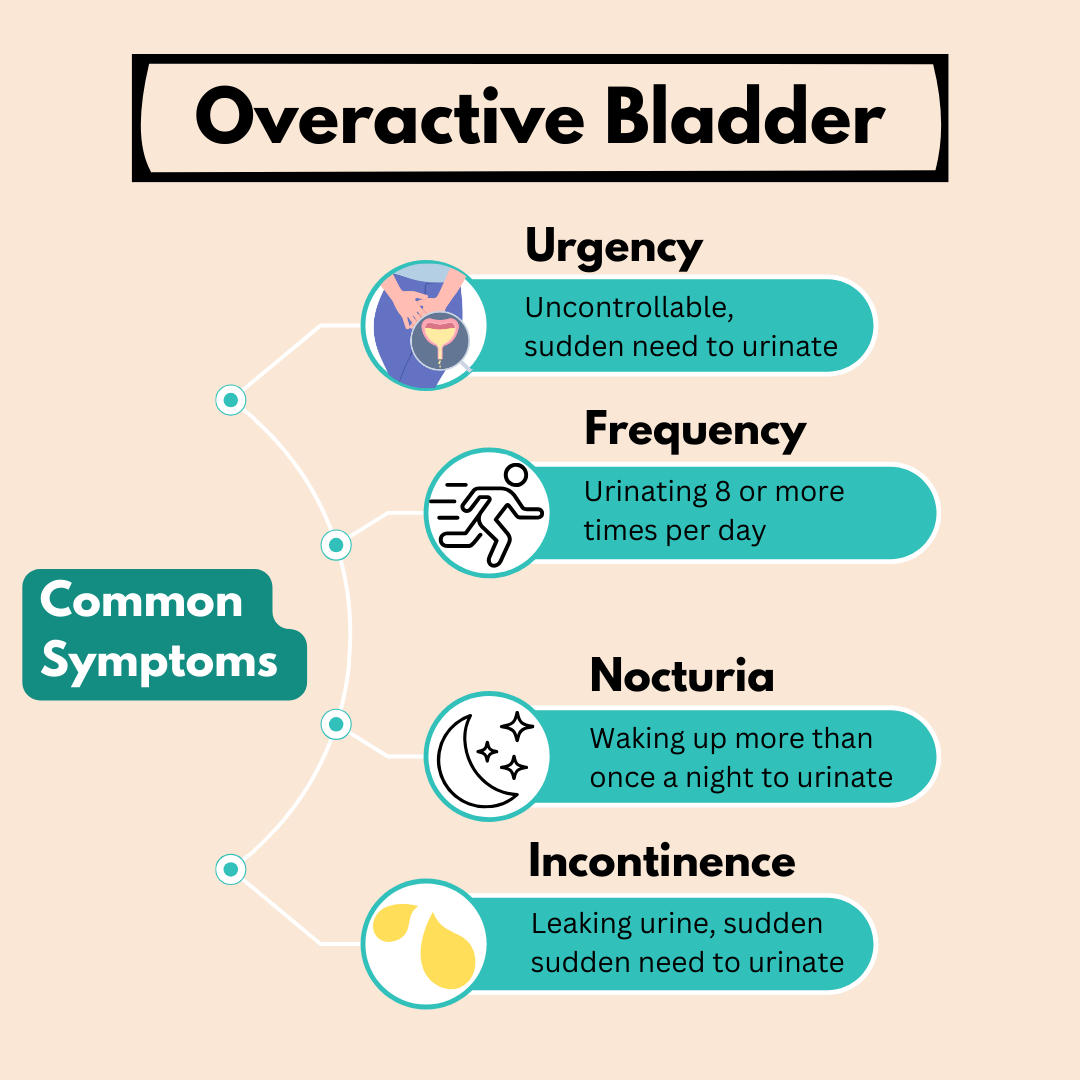
When the bladder has to do with midway full, the mind obtains the message that it might be time to utilize the shower room. When a person is ready to urinate, the bladder muscles agreement, the sphincter muscular tissues kick back, and pee is released. Some patients, particularly those with restricted mobility or cognitive problems, gain from a mobile commode. These products can considerably boost the lifestyle of individuals and their caretakers. Urethral hypermobility can be seen during coughing when the posterior vaginal wall surface is supported with a speculum. A cystocele, an enterocele, a rectocele, or uterine prolapse recommends pelvic floor weakness. When the contrary wall surface is maintained with a speculum, protruding of the anterior wall suggests a cystocele, and protruding of the posterior wall surface suggests a rectocele or enterocele. Pelvic floor weakness does not suggest a cause, unless a large, prolapsed cystocele exists. Functional incontinence is pee loss because of cognitive or physical disabilities (eg, as a result of dementia or stroke) or ecological barriers that hinder control of invalidating. For example, the individual may not acknowledge the demand to void, may not know where the commode is, or might not have the ability to stroll to a from another location located commode. According to among our urologists, Dr. Parkinson, "When we're speaking about anxiety incontinence, what we're talking about is stress outside of the bladder. This includes when you cough, laugh, sneeze, and/or tasks of daily living like walking up and down stairways, and so on. Urethral slings currently have the greatest success rates and are currently taken into consideration by many the gold requirement for therapy of anxiety urinary system incontinence. We wish this blog functioned as a handy resource to differentiate urinary system incontinence vs. overactive bladder. From continuously fearing you'll have a crash, to living your life mindful of where the closest shower room is, overactive bladder and urinary system incontinence can feel like they're controlling your life. An overactive bladder can create signs and symptoms such as regular and uncontrollable urges to pee (impulse incontinence), which can worsen in time if not dealt with. Both OAB and prompt incontinence can interfere with an individual's life and require them to plan their activities around accessibility to a bathroom, yet both problems are treatable. So, let's take a more detailed check out these 2 carefully relevant problems. Comprehending the information of each can help you uncover what you might be managing and what your provider can do to help you really feel better. Though countless people struggle with SUI, there are no FDA-approved pharmaceutical medications to deal with the problem. If anxiety incontinence is due to Nurse continence advisor atrophic urethritis, topicalestrogen (estradiol) is commonly effective.(estradiol) is often efficient. Sacral neuromodulation is suggested for people with severe impulse urinary incontinence refractory to various other treatments. It is believed to function by centrally preventing bladder sensory afferents. The treatment begins with percutaneous nerve stimulation of the S3 nerve favor a minimum of 3 days; if clients react, a neurostimulator is permanently implanted under the buttock skin. Detrusor-sphincter dyssynergia (loss of sychronisation between bladder tightening and exterior urinary system sphincter leisure) may cause electrical outlet obstruction, with resultant overflow incontinence. It is often sped up by utilize of a diuretic and is exacerbated by inability to rapidly get to a bathroom. In females, atrophic vaginitis, common with aging, contributes to thinning and inflammation of the urethra and urgency. There are some notable distinctions when reviewing over active bladder vs. urinary system incontinence. The sudden and regular urge to pee is present in both problems, nonetheless, the primary distinction is patients with OAB really feel an overwhelming desire to urinate, however do not precisely leakage urine like clients with UI frequently do. It's really typical to experience combined urinary incontinence, meaning a combination of anxiety and urge signs.