Age Areas Therapy In Phoenix Az, Az Dermatologist In North Central Phoenix Az, Az
Age Places Treatment In Phoenix, Az Skin Have a peek at this website Doctor In North Main Phoenix Metro, Az
Set up a dermatology appointment at one of our hassle-free places in Columbia, Irmo, Lexington and Camden. Go to this website Putting on sun block with SPF 30 or greater will not just help you stay clear of sun spots yet lower your danger for many kinds of skin cancer too. Always look for "broad-spectrum" protection on sun block labels to guarantee you are shielded from all of the sunlight's damaging rays.A number of clinical procedures can remove or lower age areas, however these procedures do lug some threat of adverse effects and difficulties. A skin doctor may prescribe bleaching creams to help discolor the age spots progressively. These creams typically have hydroquinone and sometimes retinoids, such as tretinoin. A skin specialist or health care specialist will typically detect age spots with an aesthetic evaluation, a biopsy, or both. Here's what to know about age areas, consisting of why they happen, feasible risk variables, and how to remove them.
- While it's important to use sun block on a daily basis, it's important to use sunscreen after any type of skin treatments or procedures.
- When your skin is subjected to UV rays over time, it generates excess melanin-- the pigment that offers skin its shade-- as a protective reaction.
- Study suggests that these dark spots, particularly on the face, might appear due to boosted melanin levels in the skin triggered by smoking cigarettes.
- Your medical professional might prescribe a hostile therapy of Retin-A (exfoliates so bleaching lotions will certainly much better permeate) and hydroquinone.
- Many topical lotion prescriptions might contain hydroquinone, cortisone, and retinoids.
Age areas-- occasionally called sun spots, liver spots, or lentigines-- are level, dark patches that develop on sun-exposed skin. These places commonly vary from tan to dark brownish and can differ in size from tiny freckles to larger patches over half an inch throughout. They most typically appear on the backs of hands, lower arms, face, shoulders, and upper back. While they're called "age spots," they're actually a lot more related to sun direct exposure than maturing itself, though they do come to be much more prevalent after age 40. While age areas position no clinical risk, many individuals choose to have them dealt with for aesthetic factors. During your consultation, we'll evaluate your skin kind, the extent of pigmentation, and your objectives to suggest one of the most proper treatment plan.
Feedbacks To "age Spots: Prevention & Treatment Choices"
While age places can be treated with various methods, the most effective protection is typically stopping the advancement of new brownish spots. Dermatologists recommend their people to hide, wear broad-spectrum sun block (SPF of 30 or higher), and prevent peak hours of the sunlight (between 10am-- 2pm). Intense Pulsed Light Therapy (IPL) IPL is a therapy that is similar to a laser. It utilizes high strength pulses of noticeable light to deal with skin problem such as age spots.
Chemical Peels
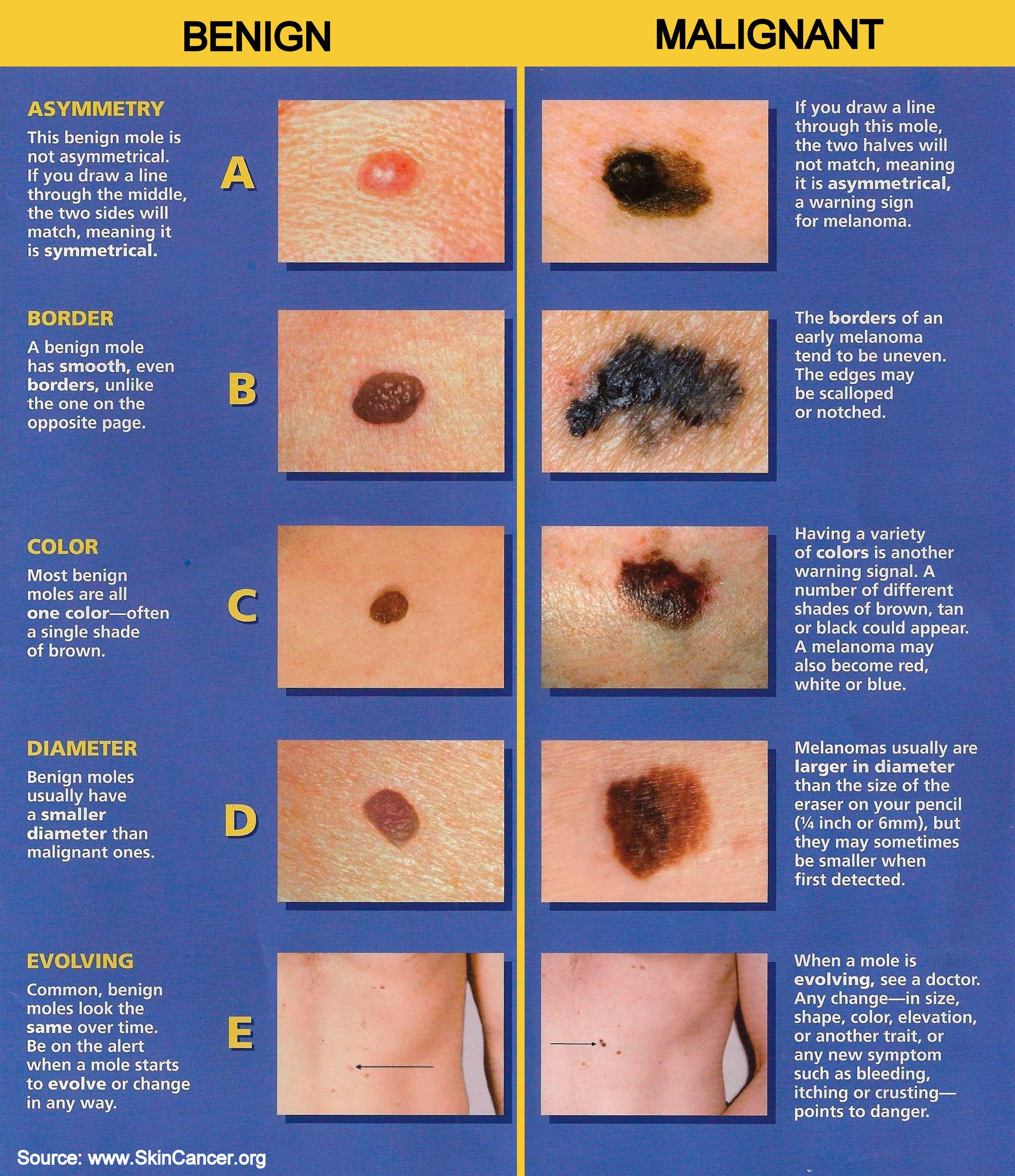
A cancer malignancy can appear as an altering mole with irregular borders in tones of brown and other shades. This malignant lesion has the highest probability of spreading to lymph nodes and inner body organs. With early discovery and therapy, 95 percent of cancer malignancy cases are treatable.
They typically occur on sun-exposed locations, like the backs of your hands and your face. Age spots are also called liver spots, aged lentigo, solar lentigines, or sun spots. Before seeking any kind of therapy alternatives for age places, it is essential to obtain a proper medical diagnosis from a skin specialist. Age areas can commonly be misinterpreted for various other skin disease, such as seborrheic keratoses, actinic keratoses, or even skin cancer cells. A dermatologist can examine the places and figure out the most suitable course of action.

The globe of dark areas is much more varied than you could believe, and finding out which one you have is the initial step toward reliable therapy. Therapy of age places is thought about strictly cosmetic, so insurance companies typically do not cover treatments to eliminate them. In addition to age spots, it's an excellent idea to see a dermatologist if you're experiencing consistent acne, rashes, uncommon moles, or spots of completely dry, half-cracked skin that do not vanish. Air air pollution isn't restricted to significant cities with hefty industry, and it might be impacting more than just our lungs. There is installing evidence that the contaminants we are revealed to on a daily basis add to and accelerate the advancement of dark places on the body generally linked with aging. While there are many methods to take care of age spots, it is necessary to consider the advantages and negative aspects of each method based on what would fit your skin best.